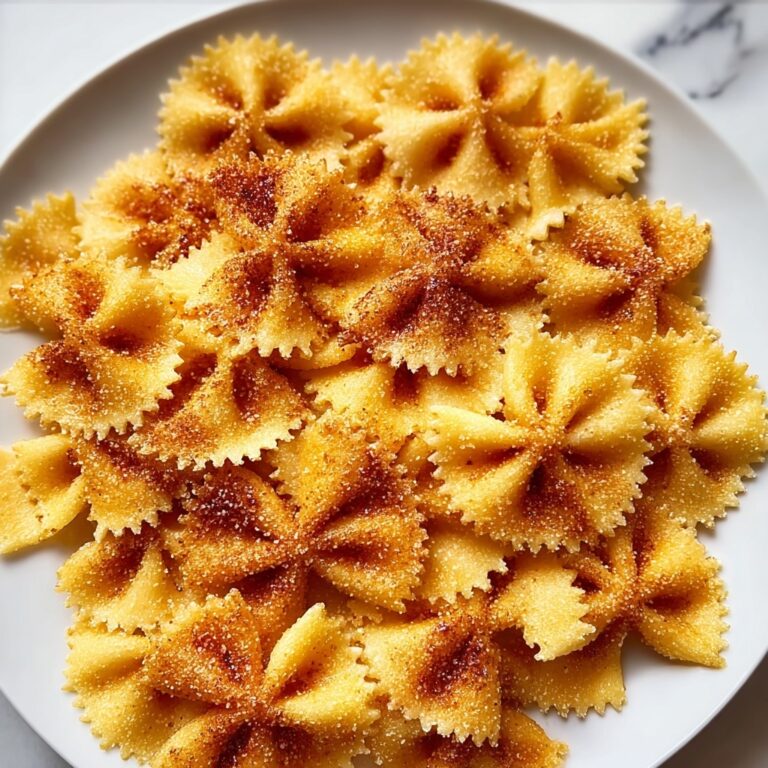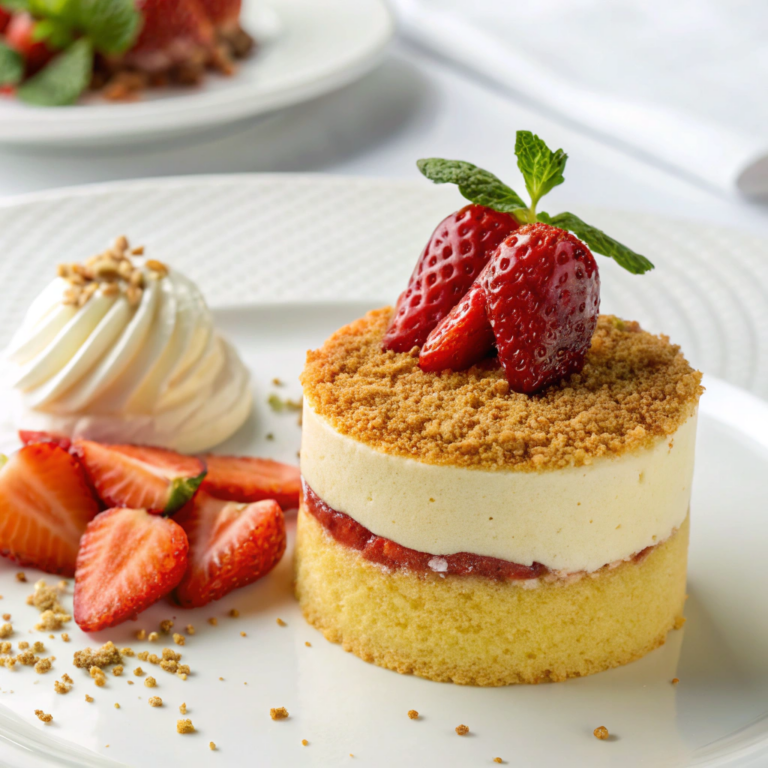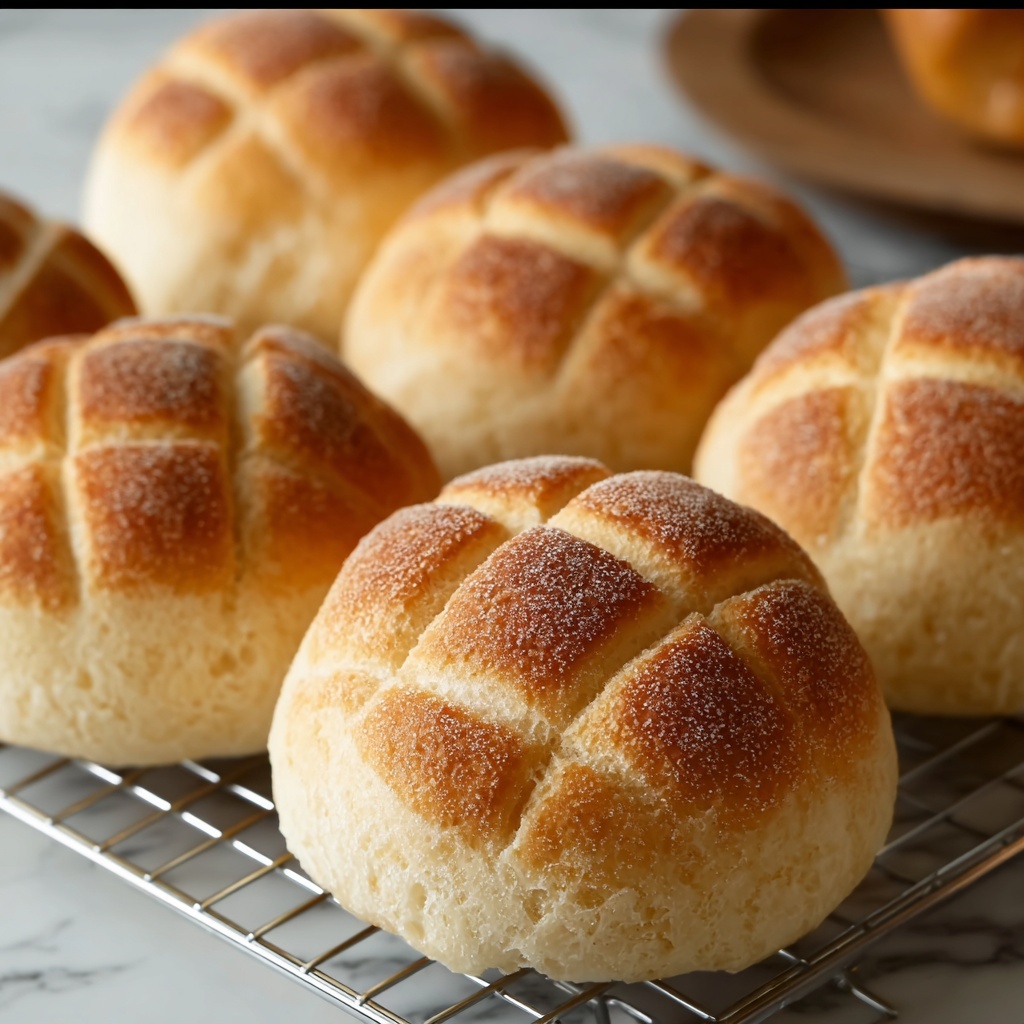
If you have ever wandered into a Japanese bakery and felt instantly charmed by the sweet, crisp, and soft bread called melon pan, you are in for a treat with this Classic Japanese Melon Pan Recipe. This delightful bun features a soft, fluffy interior wrapped in a thin, buttery cookie crust that cracks beautifully as it bakes, creating a unique texture and appearance. Though it carries the name “melon,” this traditional Japanese sweet bread does not usually contain melon flavor, but its slightly sweet exterior and tender crumb will have you hooked from the very first bite. Perfect for breakfast, afternoon tea, or a comforting snack, this recipe brings the joy of authentic melon pan right into your own kitchen with wonderfully simple ingredients and satisfying steps.
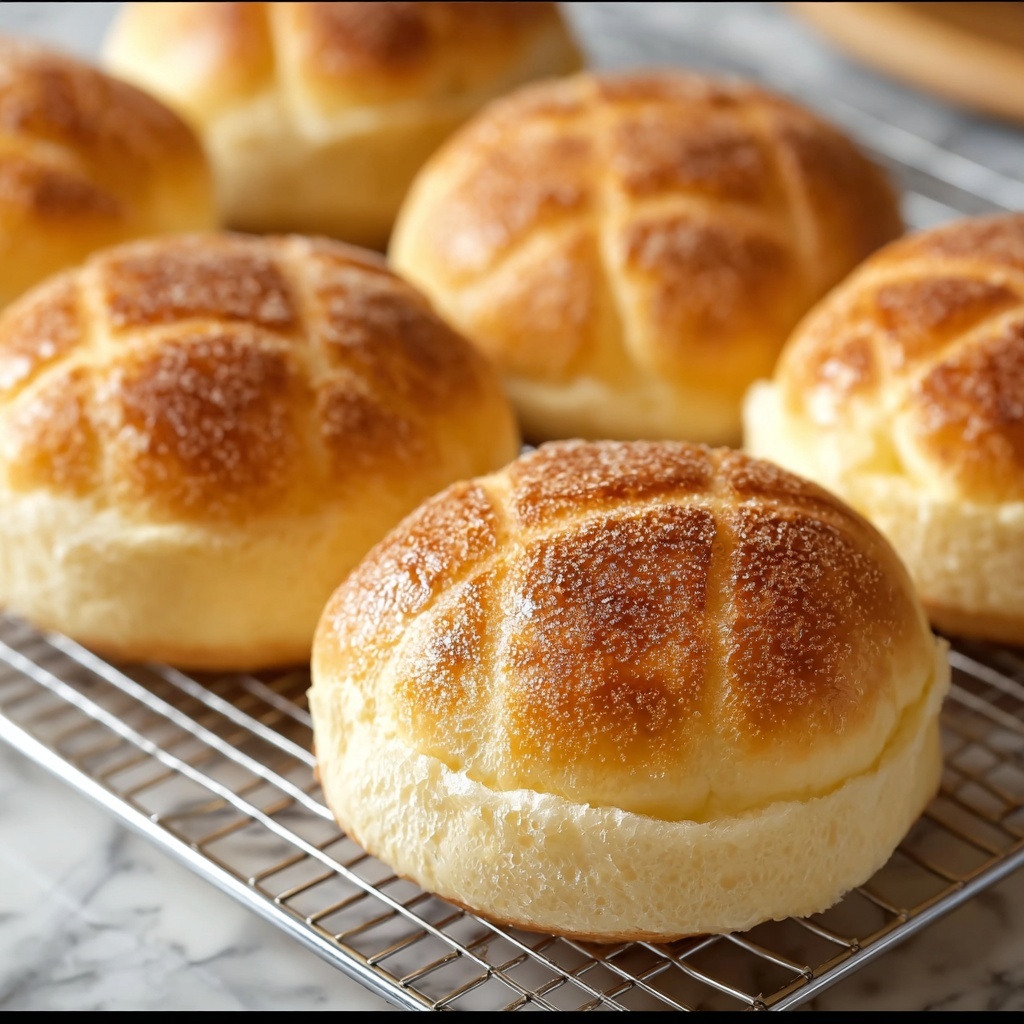
Ingredients You’ll Need
Gathering the right ingredients is key to capturing the perfect balance of fluffy bread and crisp cookie topping in this recipe. Each component plays a crucial role in creating the texture and flavor that define a Classic Japanese Melon Pan Recipe, from the yeast that gives the bread life to the buttery goodness that makes the cookie crust irresistible.
- 2 ¼ teaspoons active dry yeast: This yeast helps the bread dough rise, giving it its airy, soft texture.
- ¼ cup warm milk: Warm milk activates the yeast and adds moisture to the dough.
- 2 ½ cups all-purpose flour: The main structure-builder of the bread, providing the right balance for softness and chewiness.
- ¼ cup granulated sugar: Adds subtle sweetness to the bread dough, balancing the flavors.
- ½ teaspoon salt: Enhances the dough’s flavor and controls yeast fermentation.
- 1 large egg: Binds ingredients and contributes to a rich, tender crumb.
- ¼ cup unsalted butter, softened: Adds moisture and richness to the dough.
- ½ teaspoon vanilla extract: Infuses a gentle aroma that complements the sweet bread.
- ½ cup unsalted butter, softened for cookie topping: The key to the buttery cookie crust that contrasts with the soft bread inside.
- ½ cup granulated sugar for cookie topping: Sweetens and helps create the crackly exterior.
- 1 large egg for cookie topping: Binds the cookie dough ingredients for a smooth texture.
- 1 ½ cups all-purpose flour for cookie topping: Forms the structure of the cookie dough for that signature crunch.
- ½ teaspoon baking powder: Lightens the cookie dough, ensuring it’s tender but crisp.
- Extra granulated sugar for coating: Sprinkled on top for added sparkle and crunch after baking.
How to Make Classic Japanese Melon Pan Recipe
Step 1: Activating the Yeast
Start by dissolving the active dry yeast in warm milk, which should be pleasantly warm to the touch but not hot, to gently awaken the yeast. Let this mixture stand for about 5 minutes until it becomes foamy, signaling that the yeast is alive and ready to work its magic in your dough.
Step 2: Preparing the Bread Dough
In a large mixing bowl, combine the all-purpose flour, granulated sugar, and salt. Add the foamy yeast mixture, egg, softened butter, and vanilla extract. Mix everything together until a soft dough forms. Then, knead the dough on a lightly floured surface for about 8 minutes until it becomes smooth and elastic. This kneading stage is essential to develop gluten, which makes the bread light and airy.
Step 3: Letting the Dough Rise
Transfer the dough to a clean bowl, cover it with a damp tea towel or plastic wrap, and leave it in a warm spot to rise for about 1 hour, or until it has doubled in size. This step is crucial for deepening the flavor and achieving that tender interior crumb.
Step 4: Making the Cookie Topping
While the bread dough is rising, prepare the signature cookie topping. Cream together the softened butter and sugar until it becomes light and fluffy — this air incorporation is what makes the topping wonderfully crisp. Beat in the egg, then fold in the flour and baking powder, mixing just enough to form a soft dough that you can handle easily.
Step 5: Assembling the Melon Pan
Divide the risen bread dough into 8 equal portions and shape each into a smooth ball. Do the same with the cookie dough, flattening each piece into thin discs. Gently wrap each cookie disc over the bread balls, covering them completely. Then, lightly roll the tops in extra granulated sugar for that sparkling finish. Using a sharp knife, score a crisscross pattern lightly on the cookie topping to recreate the classic melon pan look that cracks beautifully during baking.
Step 6: Final Rise and Baking
Place the assembled buns on a parchment-lined baking sheet and let them rise for another 30 minutes. Meanwhile, preheat your oven to 350°F (175°C). Bake the buns for 15 to 18 minutes or until the cookie crust turns a delicate golden color. Once baked, let them cool slightly before enjoying the full experience of this Classic Japanese Melon Pan Recipe.
How to Serve Classic Japanese Melon Pan Recipe
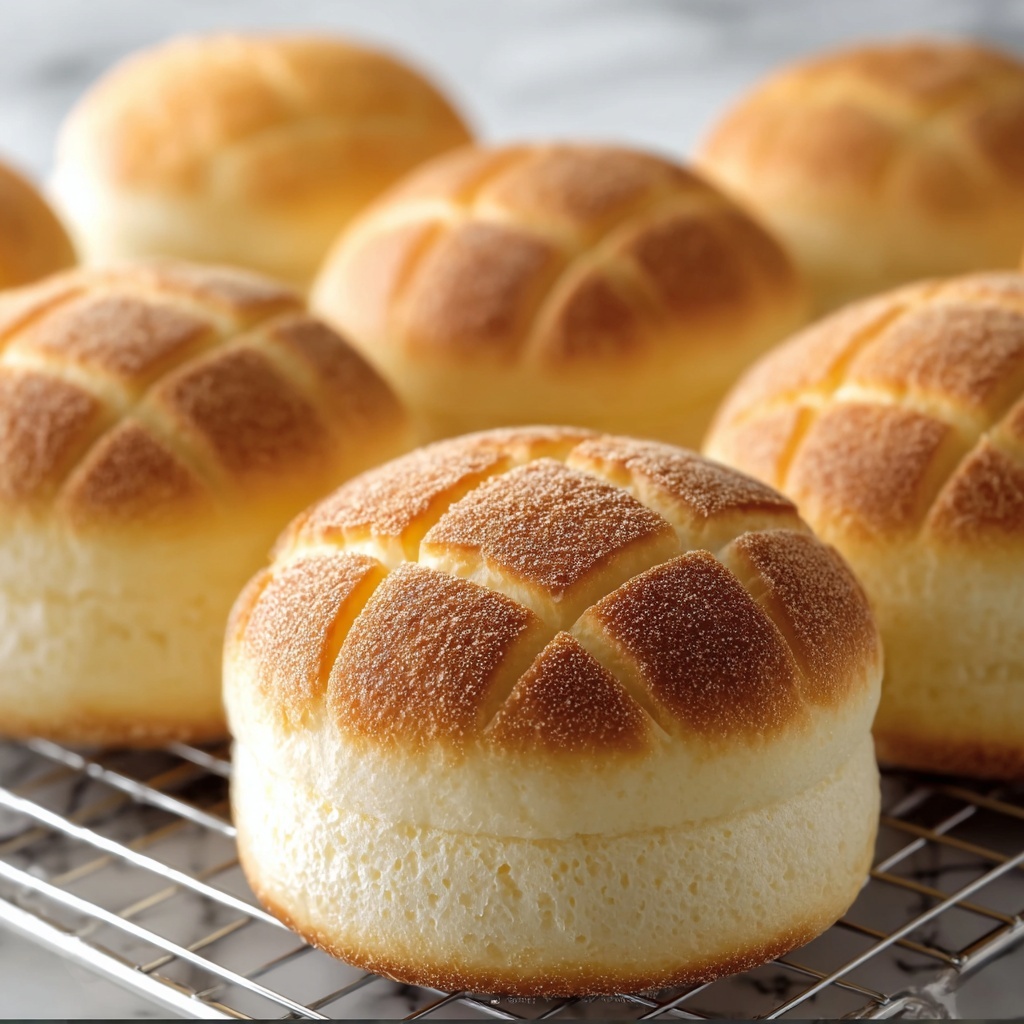
Garnishes
Though melon pan is lovely on its own, adding a light dusting of powdered sugar can enhance the sweetness and visual appeal. For a playful twist, a drizzle of sweetened condensed milk or a smear of matcha cream on the side brings an extra flavor layer that pairs perfectly with the crisp cookie crust.
Side Dishes
Serve melon pan alongside a steaming cup of green tea or a latte for a cozy snack. It’s also fantastic paired with fresh fruit or a small scoop of vanilla ice cream, transforming this bread into a delightful dessert that your friends and family will rave about.
Creative Ways to Present
For an elevated presentation, slice the melon pan horizontally and sandwich it with whipped cream and fresh melon slices, paying homage to the name “melon pan” with actual melon inside. You can also experiment with adding a few drops of melon extract or food coloring to the cookie topping to give it that subtle melon hue and aroma, creating your own vibrant version of the Classic Japanese Melon Pan Recipe.
Make Ahead and Storage
Storing Leftovers
If you find yourself with extras, store melon pan in an airtight container at room temperature for up to two days to keep the cookie crust crisp. Avoid refrigeration, as it may cause the bread to dry out and lose its tender texture.
Freezing
Melon pan freezes wonderfully and makes for an easy treat later. Wrap each bun tightly in plastic wrap and place them in a freezer-safe bag. They will keep well for up to one month without losing their delightful texture once properly reheated.
Reheating
To revive that freshly baked crispness, gently warm melon pan in a preheated oven at 300°F for about 5 to 7 minutes. Avoid the microwave if possible, as it can make the cookie topping soft instead of crisp. This simple step will bring your Classic Japanese Melon Pan Recipe back to life, almost as if it was freshly baked.
FAQs
Is melon pan really melon-flavored?
Traditional melon pan does not contain actual melon flavor. Its name comes from the cracked cookie top that resembles the pattern of a melon rind. However, some variations include melon essence or food coloring to evoke the melon association.
Can I use instant yeast instead of active dry yeast?
Yes, instant yeast can be used as a substitute. Use about 2 teaspoons and add it directly to the flour mixture without dissolving it first. Your rising times may be shorter when using instant yeast.
Why does the cookie topping crack during baking?
The sugar coating and the slightly firm cookie dough dry out and expand differently from the soft bread underneath during baking. This contrast creates the signature crackled, melon-like pattern on the surface of the buns.
Can I add flavors to the melon pan dough?
Absolutely! Vanilla is classic, but you can experiment with citrus zest, cocoa powder, or matcha powder in the cookie topping or bread dough for exciting flavor variations that still honor the spirit of the Classic Japanese Melon Pan Recipe.
How should I shape the dough to get the best melon pan texture?
Make sure your bread dough balls are smooth and round, and the cookie dough discs are thin enough to cover them fully without tearing. Lightly roll the tops in sugar and score them evenly for the iconic look and best texture results.
Final Thoughts
Making the Classic Japanese Melon Pan Recipe at home is a rewarding experience that brings a beloved Japanese bakery treat right to your kitchen. With its soft, aromatic bread wrapped in a crisp, buttery cookie crust, it’s a delicious project that fills your home with irresistible aromas and offers comfort in every bite. Give it a try, and I promise this melon pan will quickly become one of your favorite homemade goodies to share with loved ones.
Print
Classic Japanese Melon Pan Recipe
- Prep Time: 30 minutes
- Cook Time: 18 minutes
- Total Time: 1 hour 48 minutes
- Yield: 8 buns
- Category: Bread
- Method: Baking
- Cuisine: Japanese
- Diet: Vegetarian
Description
Classic Japanese Melon Pan is a delightful sweet bread featuring a soft, fluffy interior covered by a crisp, cookie-like topping. Despite its name, traditional melon pan does not contain melon flavor, but its signature crisscross pattern and sugar-coated crust make it a beloved bakery treat in Japan and beyond.
Ingredients
Bread Dough
- 2 ¼ teaspoons active dry yeast
- ¼ cup warm milk
- 2 ½ cups all-purpose flour
- ¼ cup granulated sugar
- ½ teaspoon salt
- 1 large egg
- ¼ cup unsalted butter, softened
- ½ teaspoon vanilla extract
Cookie Topping
- ½ cup unsalted butter, softened
- ½ cup granulated sugar
- 1 large egg
- 1 ½ cups all-purpose flour
- ½ teaspoon baking powder
- Extra granulated sugar for coating
Instructions
- Activate Yeast: In a small bowl, dissolve the active dry yeast in warm milk and let it stand for 5 minutes until it becomes foamy, indicating the yeast is active.
- Prepare Bread Dough: In a large mixing bowl, combine the all-purpose flour, granulated sugar, and salt. Add the yeast mixture, egg, softened butter, and vanilla extract, then mix until a soft dough forms.
- Knead Dough: Knead the dough by hand or with a stand mixer for about 8 minutes until it becomes smooth and elastic. This develops gluten necessary for the bread’s texture.
- First Rise: Cover the dough with a clean cloth and let it rise in a warm place for about 1 hour, or until it doubles in size.
- Prepare Cookie Topping: Meanwhile, cream the softened butter and sugar together in a bowl until the mixture is light and fluffy. Beat in the egg, then mix in flour and baking powder until a soft dough forms.
- Shape Dough: Divide the risen bread dough into 8 equal portions and shape each into a ball. Similarly, divide the cookie dough into 8 portions, flatten each portion slightly, and gently wrap it over each bread dough ball, covering it entirely.
- Coat and Score: Lightly roll the tops of each bun in granulated sugar. Using a knife, score a crisscross pattern on the cookie topping to create the classic melon pan appearance.
- Second Rise: Place the wrapped buns on a baking sheet lined with parchment paper, cover, and let them rise for 30 minutes more.
- Bake: Preheat the oven to 350°F (175°C). Bake the buns for 15 to 18 minutes until the cookie topping is lightly golden and crisp.
- Cool and Serve: Allow the melon pan to cool slightly on a wire rack before serving to enjoy the perfect balance of soft bread and crunchy topping.
Notes
- Melon pan traditionally does not contain melon flavor.
- For a variation, add a few drops of melon extract or food coloring to the cookie topping for flavor and color.
- Make sure the yeast is fresh and the milk is warm (not hot) to ensure proper activation.
- Do not overbake to keep the interior soft and moist.