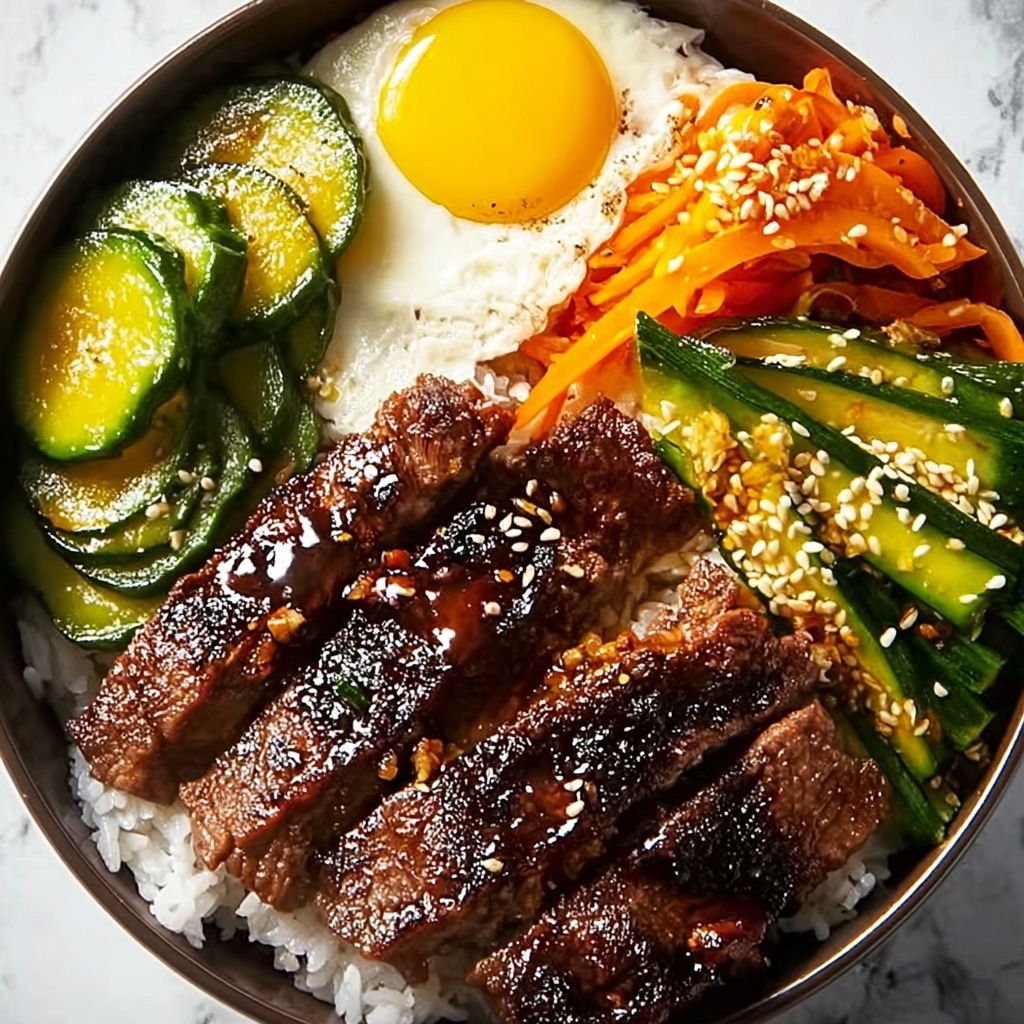
If you have a craving for bold, sizzling flavors mingled with fresh, vibrant vegetables and tender steak, you have to try this sensational Hibachi Steak Bowls Recipe. This dish captures all the magic of a classic hibachi grill dinner right in your own kitchen, combining juicy, perfectly seared steak with crisp-tender veggies and fluffy rice. It’s the kind of recipe that feels like a special treat yet comes together quickly, making it perfect for a weeknight dinner that still impresses. Get ready for a bowl of warmth, flavor, and textures that will make your taste buds sing!
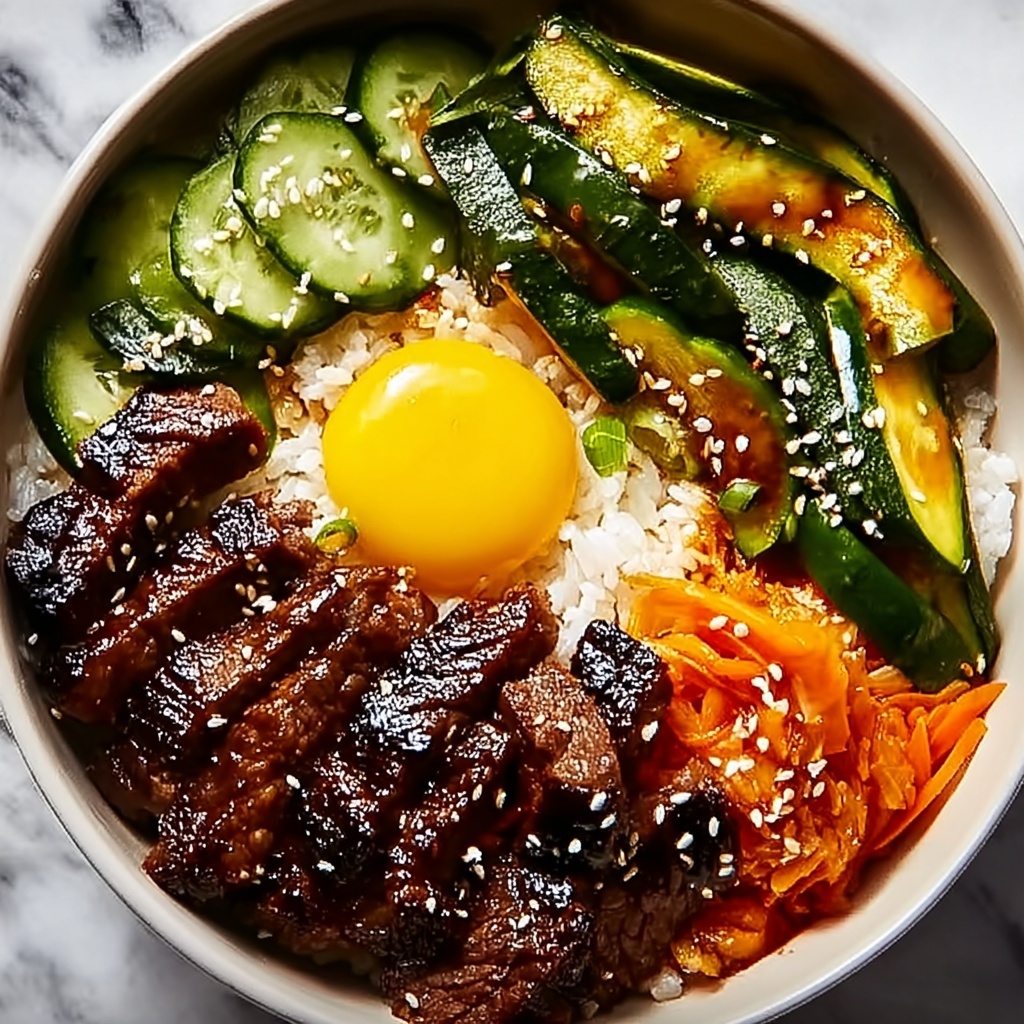
Ingredients You’ll Need
These ingredients are delightfully simple but play crucial roles in bringing the Hibachi Steak Bowls Recipe to life. Each one adds an essential layer—whether it’s savory seasoning, a burst of freshness, or that irresistible sear that makes hibachi dishes so beloved.
- 1 1/2 pounds sirloin or ribeye steak: Choose a tender cut for juicy, flavorful bites that hold up well in stir-frying.
- 2 tablespoons soy sauce: Adds that unmistakable umami depth and a touch of saltiness.
- 1 tablespoon sesame oil: Brings a nutty aroma that perfectly complements the steak and veggies.
- 2 tablespoons vegetable oil, divided: Used for high-heat cooking to get that perfect sear and stir-fry the vegetables.
- 4 cloves garlic, minced: Infuses the dish with a fragrant kick that wakes up all the flavors.
- 1 teaspoon grated fresh ginger: Lends a zesty brightness and slight spice that balances the richness.
- 4 cups cooked white or fried rice: The cozy base that soaks up all the tasty juices.
- 2 cups broccoli florets: Adds color, crunch, and healthy green goodness.
- 1 cup sliced carrots: Sweet, crisp, and packed with vibrant orange hues.
- 1 cup sliced zucchini: A tender, mild vegetable that cooks quickly and adds freshness.
- 1/2 cup sliced onions: Introduces a subtle sweetness and depth when caramelized just right.
- Salt and black pepper to taste: Essential seasonings to elevate every ingredient.
- 2 tablespoons butter: Melts into a glossy finish that ties everything together.
- Sesame seeds for garnish (optional): Adds a little crunch and visual appeal.
- Chopped green onions for garnish (optional): Brightens the dish with fresh color and mild onion flavor.
How to Make Hibachi Steak Bowls Recipe
Step 1: Season and Sear the Steak
Start by giving your steak bite-sized pieces a flavorful bath in soy sauce, sesame oil, salt, and pepper. This marinade lends the steak that signature hibachi savory taste. Heat one tablespoon of vegetable oil in a large skillet or wok over high heat until it’s smoking hot—this is key for a gorgeous sear. Add the steak in a single layer and let it cook undisturbed for 2 to 3 minutes per side. The goal is a caramelized crust with a juicy interior. Once done to your liking, remove the steak and set it aside to rest.
Step 2: Sauté Aromatics and Vegetables
In the same skillet, add the remaining tablespoon of vegetable oil with the minced garlic and grated ginger. Stir quickly for about 30 seconds until fragrant—this aroma signals a flavor-packed step. Toss in the broccoli, carrots, zucchini, and sliced onions, stir-frying for 3 to 4 minutes. You want your vegetables crisp-tender, preserving their freshness and crunch to contrast the tender steak.
Step 3: Combine Steak and Finish with Butter
Return the seared steak pieces to the skillet with the veggies. Add the butter and start tossing everything together so that the butter melts and coats every morsel in a glossy, rich sheen. This finishing touch adds depth and a silky texture that brings the entire bowl together in perfect harmony.
Step 4: Assemble the Steak Bowls
Divide the cooked rice evenly among serving bowls. Spoon the sizzling steak and vegetable mixture right over the top. If you like, sprinkle with sesame seeds and chopped green onions for that authentic restaurant look and taste. Your Hibachi Steak Bowls Recipe is now ready to enjoy!
How to Serve Hibachi Steak Bowls Recipe
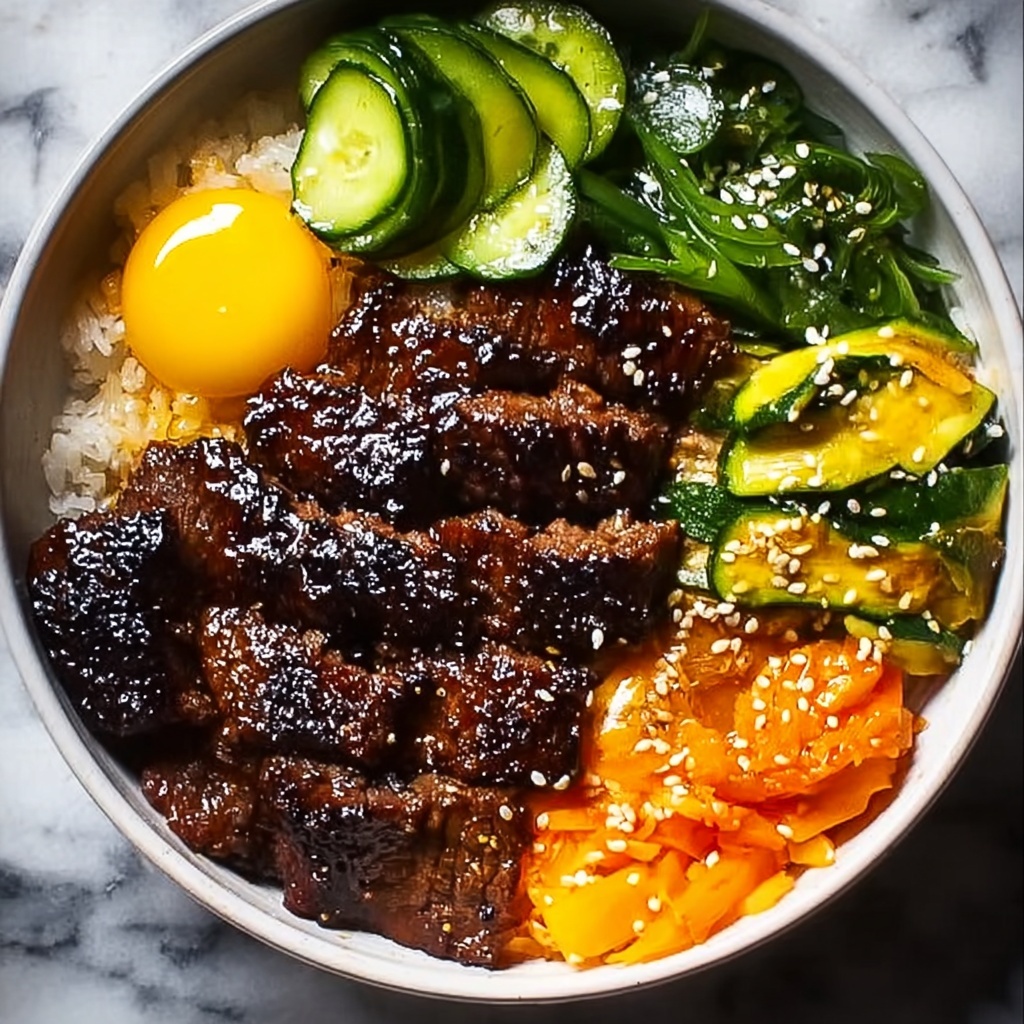
Garnishes
Adding garnishes like toasted sesame seeds and vibrant green onions is a simple way to boost both the flavor and the visual appeal of your hibachi bowls. They introduce subtle crunch and fresh, gardeny notes that brighten every bite. Sometimes, just a dash of a favorite sauce like yum yum or teriyaki can elevate the experience into a feast.
Side Dishes
While these bowls are hearty on their own, you can serve them with light, refreshing sides such as a crisp cucumber salad or miso soup to round out the meal. A chilled edamame dish or seaweed salad also pairs beautifully, keeping the Japanese-inspired theme going strong without overwhelming the palate.
Creative Ways to Present
Consider serving the Hibachi Steak Bowls Recipe family-style by plating all components separately so everyone can build their own bowls with preferred amounts of rice, veggies, and steak. Alternatively, for a festive touch, use individual small cast iron skillets or mini bowls to mimic the sizzling hot-plate effect that hibachi grills are famous for—making the experience even more interactive and fun.
Make Ahead and Storage
Storing Leftovers
If you happen to have any leftovers (though they rarely last long!), transfer the steak, vegetables, and rice to an airtight container and refrigerate. They will keep well for up to 3 days. Storing components separately can help maintain their textures better when reheated.
Freezing
Hibachi Steak Bowls Recipe can be frozen, but for the best quality, it’s recommended to freeze the steak and vegetables apart from the rice. Place portions in freezer-safe containers or bags and consume within 2 months for optimal flavor and texture retention.
Reheating
To reheat, warm the steak and vegetables gently in a skillet over medium heat, stirring occasionally until heated through. Microwave the rice separately to avoid drying it out. Then combine everything together in a bowl for a fresh bowl of hibachi goodness that tastes almost as good as the first time.
FAQs
Can I use other types of meat in this recipe?
Absolutely! While the Hibachi Steak Bowls Recipe traditionally uses sirloin or ribeye, you can swap in chicken breast or shrimp for a different yet equally delicious twist. Just adjust cooking times accordingly.
What kind of rice works best for hibachi bowls?
White rice is classic and soaks up flavors beautifully. Fried rice can add extra texture and flavor, but you could also try jasmine or short-grain rice for a more aromatic or sticky bite.
Is this recipe gluten-free?
To keep it gluten-free, make sure to use gluten-free soy sauce or tamari. This swap keeps all the flavor intact without compromising dietary needs.
Can I make this recipe vegan?
For a vegan version, replace the steak with tofu or tempeh and use plant-based butter or oil. Use tamari instead of soy sauce if needed, and load up on the veggies to keep it hearty and satisfying.
What sauces complement Hibachi Steak Bowls Recipe?
Traditional yum yum sauce, spicy mayonnaise, or teriyaki sauce are all fantastic choices. They add extra layers of flavor and richness, making each bite even more irresistible.
Final Thoughts
Making this Hibachi Steak Bowls Recipe is like inviting a joyful Japanese grill experience to your home with minimal fuss and maximum deliciousness. Its balance of savory steak, fresh vegetables, and comforting rice creates a meal that’s impressive yet approachable. So why wait? Fire up your skillet and dive into this colorful, flavorful bowl—you’ll find it quickly becomes a go-to favorite for family dinners or anytime you want a taste of hibachi magic.
Print
Hibachi Steak Bowls Recipe
- Prep Time: 15 minutes
- Cook Time: 15 minutes
- Total Time: 30 minutes
- Yield: 4 servings
- Category: Main Course
- Method: Stovetop
- Cuisine: Japanese-Inspired
- Diet: Dairy-Free
Description
Hibachi Steak Bowls offer a delicious, Japanese-inspired meal featuring tender seared sirloin or ribeye steak paired with crisp-tender stir-fried vegetables and fluffy white rice. This quick and easy stovetop recipe delivers bold flavors with garlic, ginger, soy sauce, and sesame oil, making it perfect for a satisfying weeknight dinner.
Ingredients
Steak and Marinade
- 1 1/2 pounds sirloin or ribeye steak, cut into bite-sized pieces
- 2 tablespoons soy sauce
- 1 tablespoon sesame oil
- Salt to taste
- Black pepper to taste
Vegetables
- 4 cups cooked white or fried rice
- 2 cups broccoli florets
- 1 cup sliced carrots
- 1 cup sliced zucchini
- 1/2 cup sliced onions
- 4 cloves garlic, minced
- 1 teaspoon grated fresh ginger
Cooking and Garnish
- 2 tablespoons vegetable oil, divided
- 2 tablespoons butter
- Sesame seeds for garnish (optional)
- Chopped green onions for garnish (optional)
Instructions
- Season the Steak: Season the steak pieces with soy sauce, sesame oil, salt, and black pepper thoroughly to infuse flavor.
- Sear the Steak: Heat 1 tablespoon of vegetable oil in a large skillet or wok over high heat. Add the steak in a single layer and sear for 2 to 3 minutes on each side until browned and cooked to your desired doneness. Remove from skillet and set aside.
- Sauté Aromatics: Add the remaining 1 tablespoon of vegetable oil to the skillet. Add minced garlic and grated ginger, cooking for about 30 seconds until fragrant but not browned.
- Stir-Fry Vegetables: Add broccoli florets, sliced carrots, zucchini, and onions to the skillet. Stir-fry for 3 to 4 minutes until vegetables are crisp-tender but still vibrant and slightly crunchy.
- Combine Steak and Veggies: Return the cooked steak to the skillet. Add butter and toss everything together, stirring well, until the butter melts and coats the steak and vegetables evenly.
- Assemble the Bowls: Divide the cooked rice evenly into serving bowls. Top with the steak and vegetable mixture.
- Garnish and Serve: Garnish with sesame seeds and chopped green onions if desired. Serve immediately for best flavor and texture.
Notes
- Serve with yum yum sauce or teriyaki sauce for an authentic hibachi-style experience.
- This recipe also works wonderfully with chicken or shrimp as substitutions for steak.
- Ensure the skillet is hot before searing steak to get a good crust and prevent sticking.
- Adjust vegetable cooking time if you prefer softer vegetables.