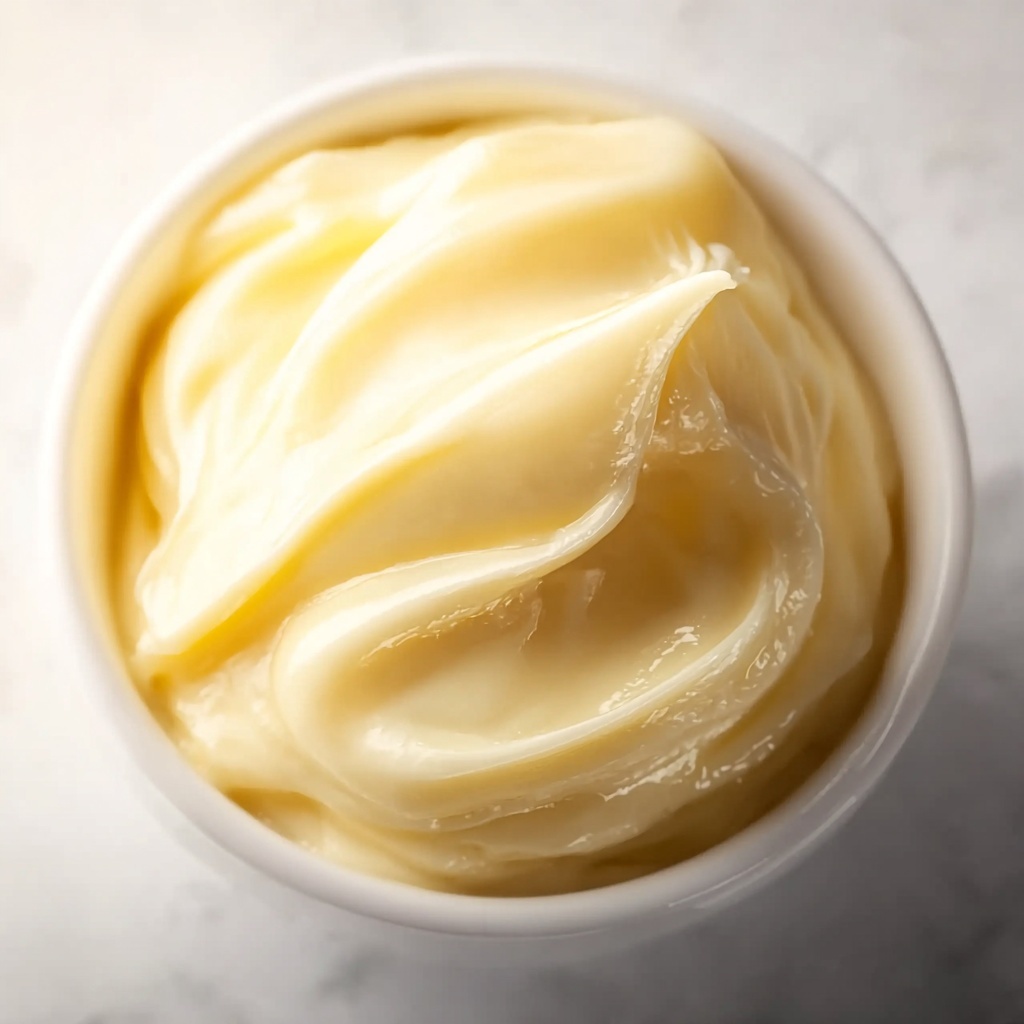
If you’ve ever dreamed of recreating the authentic taste of Italy right in your own kitchen, you simply must try this Crema Pasticcera (Italian Pastry Cream) Recipe. This classic custard is a luxurious, velvety delight with just the right balance of sweetness and richness. It’s the secret behind many beloved Italian desserts, from fruit tarts to cannoli, and mastering this recipe will unlock endless possibilities for your baking adventures. Creamy, smooth, and infused with fragrant vanilla, this pastry cream transforms humble ingredients into a show-stopping treat.

Ingredients You’ll Need
The beauty of this Crema Pasticcera (Italian Pastry Cream) Recipe lies in its simplicity. Each ingredient plays a key role in crafting that perfectly smooth, silky texture and mellow, comforting flavor that we all crave in a pastry cream.
- 2 cups whole milk: Whole milk provides the rich, creamy base essential for that smooth, luscious texture.
- 1/2 cup granulated sugar: Balances sweetness and enhances the custard’s flavor without overpowering it.
- 4 large egg yolks: These give the cream its beautiful yellow hue and create the thick, custardy consistency.
- 3 tablespoons all-purpose flour: Acts as a gentle thickener, providing structure without any graininess.
- 1 teaspoon vanilla extract (or 1 vanilla bean, split and scraped): Imparts that unmistakable warm, aromatic vanilla flavor which is signature to Italian pastry cream.
- Pinch of salt: Enhances and balances the sweetness, rounding out the flavor perfectly.
How to Make Crema Pasticcera (Italian Pastry Cream) Recipe
Step 1: Heating the Milk and Adding Vanilla
Start by pouring the milk into a medium saucepan. If you’re using a vanilla bean, split it open and scrape out the seeds, adding both seeds and pod to the milk for the ultimate vanilla kick. Gently heat the milk over medium heat until it’s warm but not boiling, stirring occasionally. This slow warming allows the vanilla to infuse beautifully into the milk. If using vanilla bean, remove the pod once the milk is aromatic and warm, setting the stage for the next steps.
Step 2: Whisking Egg Yolks and Sugar
While your milk is warming, take a moment to whisk together the egg yolks, granulated sugar, and a pinch of salt in a mixing bowl. Whisk until the mixture becomes pale and smooth—a signal that the sugar has begun dissolving and the eggs are aerated. Next, add in the flour and continue whisking until you create a perfectly smooth paste, free of lumps. This step is crucial to ensure that your pastry cream will develop the right texture.
Step 3: Tempering the Eggs
This is a crucial technique! To avoid scrambling the eggs, slowly pour the warm milk into the egg yolk mixture, just a bit at a time, whisking constantly. This gentle mixing gradually raises the temperature of the eggs, allowing them to blend seamlessly without curdling. Once combined, your mixture is ready for the stovetop again.
Step 4: Cooking the Custard
Pour the tempered egg mixture back into the saucepan and return it to medium heat. Now, this part requires a bit of patience and constant attention. Whisk continuously to prevent the custard from sticking to the bottom or forming lumps. After about 5 to 7 minutes, you’ll see the custard thicken beautifully and take on a pudding-like consistency. If it gets too thick for your liking, simply stir in a little extra milk to loosen it up perfectly.
Step 5: Cooling the Crema Pasticcera
Once thickened, remove the pan from heat promptly. Cover the pastry cream with plastic wrap, pressing the wrap onto the surface to avoid a skin forming as it cools. Allow it to reach room temperature first, then refrigerate for at least two hours. This chilling step not only sets the cream but also deepens the flavor, making it absolutely irresistible when served.
How to Serve Crema Pasticcera (Italian Pastry Cream) Recipe
Garnishes
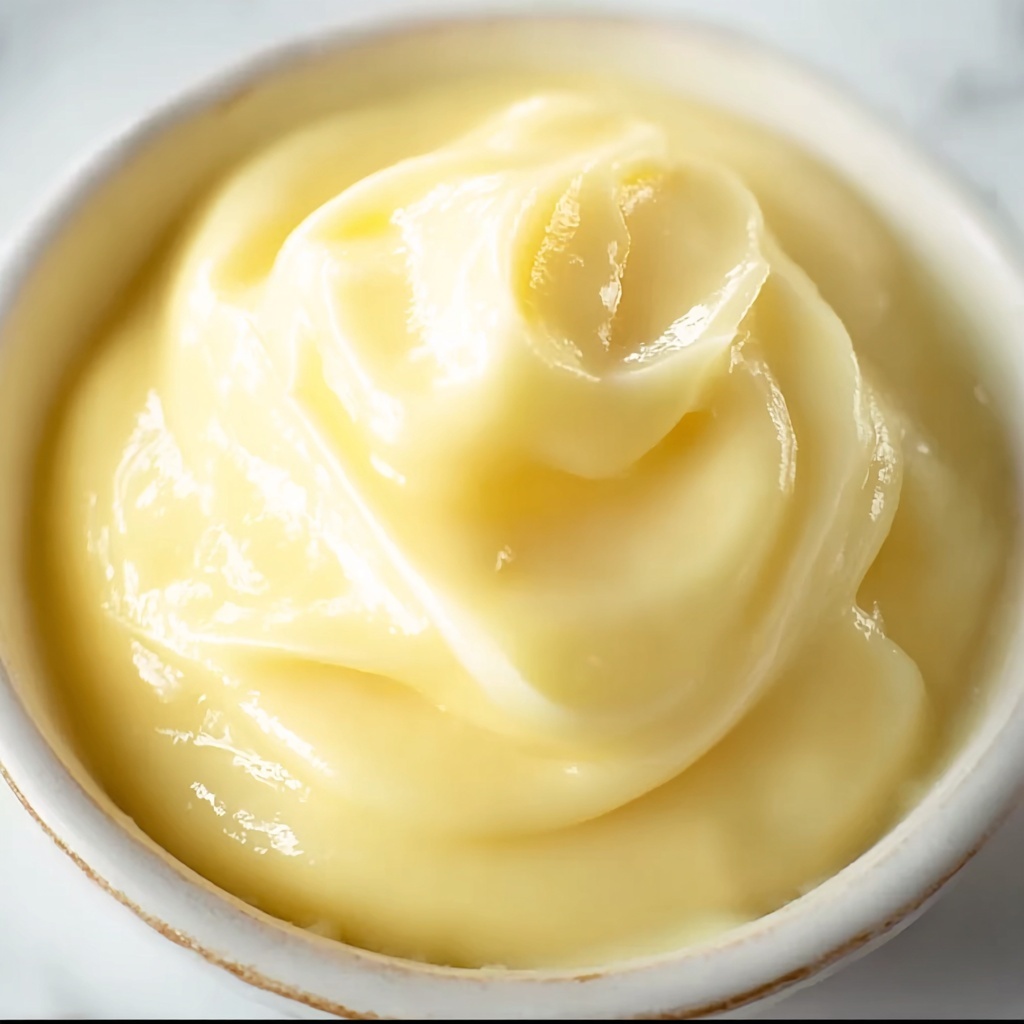
The charm of Crema Pasticcera lies in its versatility. When serving, top it with fresh berries like strawberries or raspberries to add a refreshing contrast and vibrant color. A sprinkle of powdered sugar or a hint of grated lemon zest can also brighten up its rich flavor.
Side Dishes
This Italian Pastry Cream pairs wonderfully with delicate pastries, flaky puff pastries, or buttery sponge cakes. You can smear it inside a tart shell or layer it between cake slices. It’s also fabulous alongside crisp biscotti or ladyfingers for a delightful touch.
Creative Ways to Present
Feel free to get creative! Pipe the Crema Pasticcera into small tartlets and top with fruit or drizzle with chocolate. Or swirl a bit into fresh whipped cream for a luscious dessert topping. This recipe encourages your imagination to run wild, turning simple ingredients into memorable presentations.
Make Ahead and Storage
Storing Leftovers
Leftover Crema Pasticcera keeps beautifully in an airtight container in your refrigerator for up to 3 days. Be sure to press plastic wrap onto the surface before sealing to prevent skin formation and ensure the cream stays silky.
Freezing
While freezing isn’t typically recommended because it can alter the texture, you can freeze Crema Pasticcera for up to one month if necessary. Thaw it slowly in the refrigerator and give it a gentle whisk before using to bring it back to its creamy glory.
Reheating
If your pastry cream has chilled too much and thickened, gently warm it in a saucepan over low heat while stirring constantly. Avoid boiling it, as this may break the custard. Reheating helps restore a smooth consistency perfect for your dessert needs.
FAQs
Can I use milk alternatives for Crema Pasticcera?
While whole milk provides the best texture and flavor, you can use alternatives like almond or oat milk, though the pastry cream may be slightly less creamy. Adjustments in cooking time may be necessary.
What can I substitute for flour in this recipe?
If you prefer a gluten-free version, cornstarch is a common substitute. Use about half the amount (1.5 tablespoons) since cornstarch thickens differently. It’ll still give you that luscious texture.
Why did my pastry cream curdle or have lumps?
This usually happens when the eggs cook too quickly or the cream isn’t whisked constantly. Tempering the eggs slowly and stirring continuously during cooking prevents curdling and lumps.
Can I flavor Crema Pasticcera with something other than vanilla?
Absolutely! While vanilla is classic, you can infuse the milk with citrus zest, coffee, chocolate, or liqueurs to create your own signature twist on this beloved pastry cream.
How thick should the crema pasticcera be?
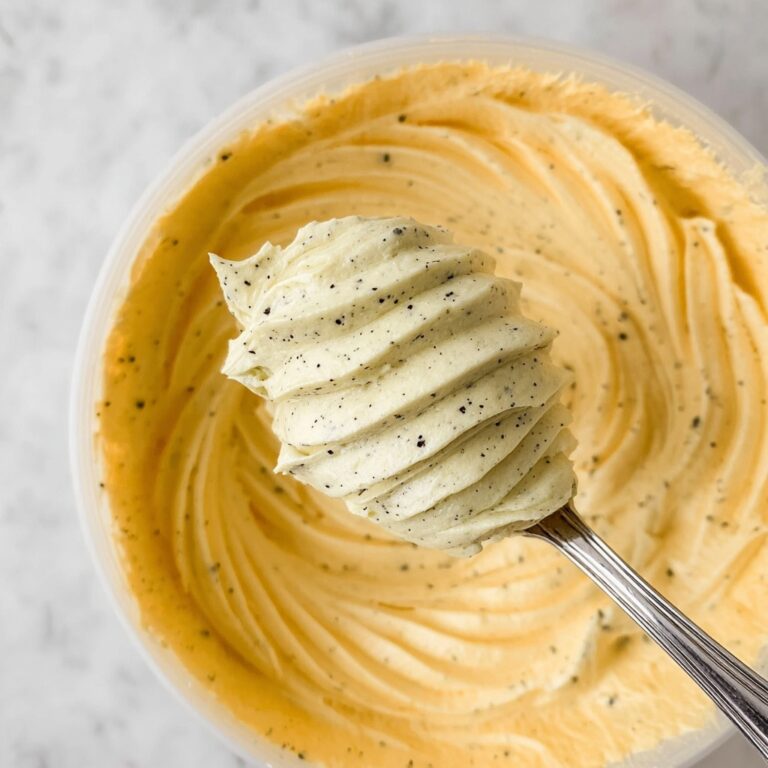
It should be thick enough to hold its shape when spooned or piped but still smooth and creamy, similar to a pudding consistency. If it’s too thick, gently stir in a little milk to loosen it up.
Final Thoughts
Making this Crema Pasticcera (Italian Pastry Cream) Recipe is like embracing a little piece of Italy right at home. It’s comforting, elegant, and incredibly versatile—a foundational recipe worth mastering. Once you’ve perfected it, you’ll find endless ways to incorporate it into your desserts and impress your family and friends with your newfound pastry prowess. Go ahead, give it a try, and indulge in the creamy goodness that has delighted generations of bakers before you!
Print
Crema Pasticcera (Italian Pastry Cream) Recipe
- Prep Time: 10 minutes
- Cook Time: 15 minutes
- Total Time: 25 minutes
- Yield: 1 cup (serves 1 as filling portion, can be adjusted as needed)
- Category: Dessert
- Method: Stovetop
- Cuisine: Italian
Description
Crema Pasticcera, or Italian Pastry Cream, is a smooth and velvety custard made from milk, egg yolks, sugar, and flour, flavored with vanilla. This classic pastry filling is perfect for tarts, cakes, and Italian desserts, offering a rich yet light texture with a hint of sweetness and aromatic vanilla.
Ingredients
Milk Mixture
- 2 cups whole milk
- 1 teaspoon vanilla extract (or 1 vanilla bean, split and scraped)
Custard Base
- 4 large egg yolks
- 1/2 cup granulated sugar
- 3 tablespoons all-purpose flour
- Pinch of salt
Instructions
- Heat the Milk: In a medium saucepan, pour the milk and add the vanilla extract or the seeds from the vanilla bean. Warm the milk over medium heat until it is hot but not boiling, stirring occasionally to prevent scorching. If using a vanilla bean, remove it once the milk is warm and discard.
- Whisk Egg Yolks and Sugar: In a separate bowl, whisk together the egg yolks, granulated sugar, and a pinch of salt until the mixture lightens in color and becomes smooth and creamy.
- Add Flour: Gradually add the all-purpose flour to the egg yolk mixture and whisk thoroughly until a smooth paste forms without lumps.
- Temper the Eggs: Slowly pour the warm milk into the egg mixture in small increments while continuously whisking. This tempering step raises the temperature of the eggs gently to avoid scrambling and ensures a smooth custard.
- Cook the Custard: Pour the combined mixture back into the saucepan and cook over medium heat. Whisk constantly to prevent curdling or sticking, cooking for about 5-7 minutes until the custard thickens to a pudding-like consistency. Adjust thickness by adding a little milk if it becomes too thick.
- Cool the Pastry Cream: Remove the saucepan from heat once the custard has thickened. Transfer the pastry cream to a clean bowl, cover with plastic wrap placed directly on the surface to avoid a skin forming, and allow it to cool to room temperature.
- Refrigerate: Chill the pastry cream in the refrigerator for at least 2 hours before using to allow it to set and flavors to meld.
- Serve or Use: After chilling, use the crema pasticcera as a delicious filling for tarts, cakes, or other Italian desserts. It can also be served on its own with fresh fruit.
Notes
- Ensure the milk is warm and not boiling when tempering the egg mixture to prevent scrambling.
- Continuous whisking during cooking is important to achieve a smooth, lump-free custard.
- If you prefer a stronger vanilla flavor, use a fresh vanilla bean instead of extract.
- Covering the surface of the pastry cream with plastic wrap prevents a skin from forming as it cools.
- Crema Pasticcera can be stored in the refrigerator for up to 3 days.
- For a lighter pastry cream, you can substitute half of the whole milk with half-and-half or cream, but this will increase the fat content.